
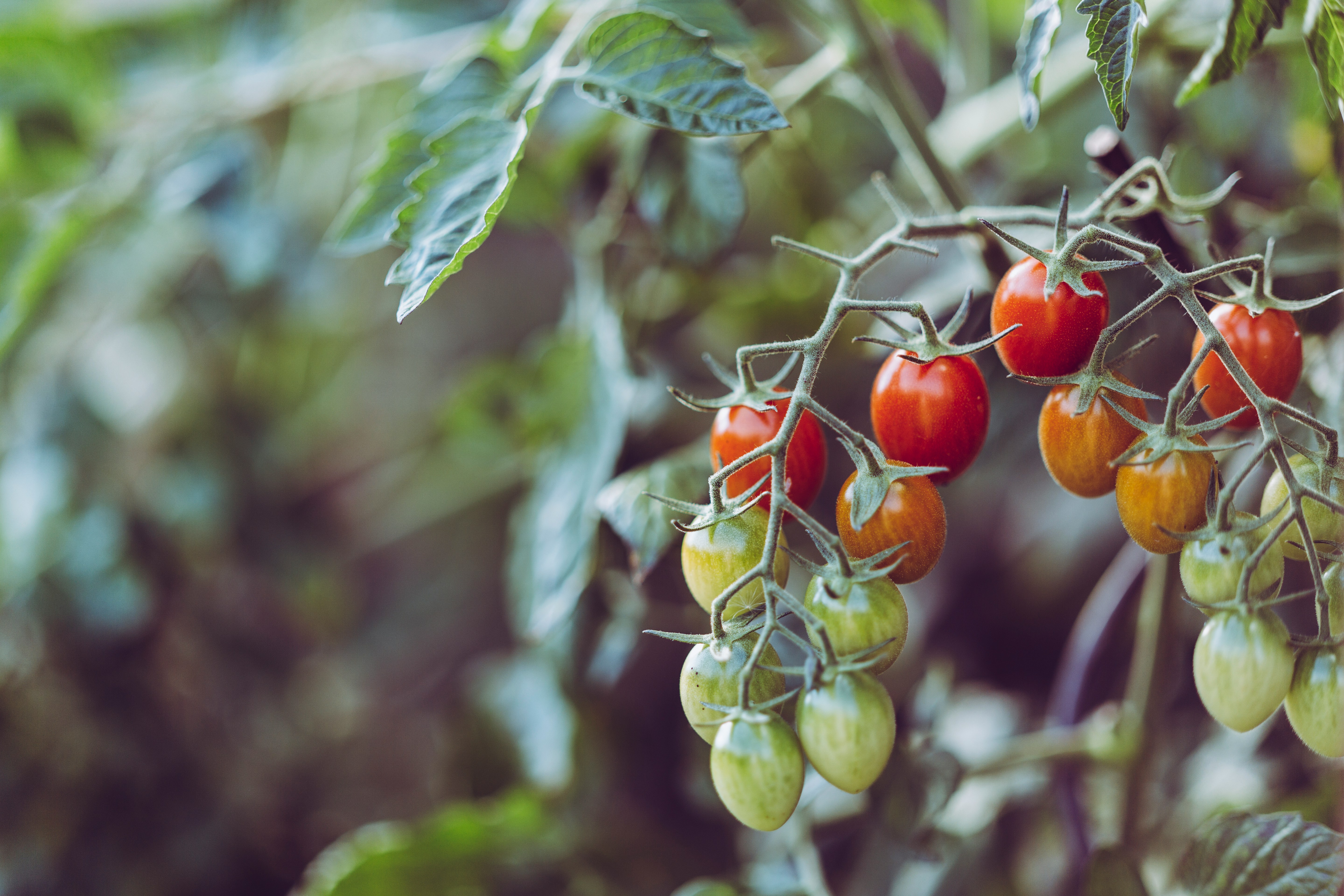
Imagine walking through your backyard, admiring colorful flowers and sculptural foliage—while harvesting fresh herbs, berries, and vegetables for dinner. Edible landscaping blends ornamental beauty with practical food production, turning your outdoor space into a living pantry without sacrificing style.
This guide explores the principles, plant choices, and design strategies to create an edible landscape that’s as visually stunning as it is nourishing.
What Is Edible Landscaping?
Edible landscaping integrates food-producing plants—vegetables, fruits, herbs, and even edible flowers—into traditional garden design. Instead of segregating a vegetable plot in the corner, you weave edible species throughout your yard just as you would ornamentals.
Key Benefits:
Dual Purpose: Combine aesthetic appeal with fresh, organic produce.
Space Efficiency: Perfect for small urban yards or balconies.
Environmental Impact: Reduces the need for long-distance food transport and excessive packaging.
Planning Your Edible Garden
Thoughtful planning ensures year-round harvests and visual harmony.
1. Evaluate Site Conditions
Sunlight: Most edibles need 6–8 hours of direct sun.
Soil: Conduct a pH and nutrient test; amend with compost as needed.
Water Access: Position high-demand crops near a water source.
2. Define Your Goals
Consider whether you want:
A culinary herb garden near the kitchen
Seasonal vegetables for family meals
Fruit trees for long-term harvests
A pollinator-friendly space with edible flowers
Design Principles for Edible Landscapes
Create Functional Zones
Divide your yard into zones—culinary garden near the kitchen door, berry hedge along a fence, or a dining area shaded by fruit trees.
Blend Ornamentals with Edibles
Pair vegetables with perennials and annuals. For example, purple basil provides vibrant foliage alongside bright marigolds.
Layering for Depth
Use a canopy-understory-groundcover approach:
Canopy: Fruit or nut trees
Understory: Berry shrubs, dwarf citrus
Groundcover: Creeping thyme, strawberries
Four-Season Interest
Choose plants that provide color and texture year-round, like kale for winter greens or flowering chives in spring.
Best Plants for Edible Landscaping
Fruit Trees and Shrubs
Apples and Pears: Classic favorites with spring blossoms.
Blueberries: Attractive foliage that turns crimson in fall.
Figs or Citrus (climate permitting): Compact and ornamental.
Vegetables
Leafy Greens: Swiss chard and kale add dramatic color.
Tomatoes and Peppers: Vibrant fruits double as decorative accents.
Climbing Beans or Peas: Great for trellises and arbors.
Herbs
Rosemary: Evergreen fragrance and purple flowers.
Thyme and Oregano: Low-growing groundcovers.
Mint: Best in containers to prevent spreading.
Edible Flowers
Nasturtiums: Peppery blooms in brilliant hues.
Calendula: Adds orange cheer and is medicinal.
Borage: Star-shaped blue flowers that attract pollinators.
Vertical and Container Gardening
For tight spaces or decorative flair:
Living Walls: Plant strawberries or lettuce in wall pockets.
Trellises: Train cucumbers, grapes, or kiwifruit.
Containers: Grow herbs, dwarf citrus, or salad greens in stylish pots.
Vertical gardening increases yield while creating eye-catching displays.
Soil Health and Organic Practices
Healthy soil is the foundation of any edible garden.
Composting: Recycle kitchen scraps into nutrient-rich humus.
Mulching: Retains moisture and suppresses weeds.
Crop Rotation: Prevents disease buildup and balances nutrients.
Avoid synthetic fertilizers and pesticides to maintain food safety and biodiversity.
Water-Wise Irrigation
Drip Irrigation: Delivers water directly to roots, reducing waste.
Rain Barrels: Collect runoff for later use.
Mulch Layers: Conserve soil moisture and moderate temperature.
Grouping plants by water needs ensures efficient irrigation.
Companion Planting for Productivity and Pest Control
Companion planting pairs crops to deter pests and enhance growth:
Tomatoes + Basil: Basil repels pests and improves tomato flavor.
Carrots + Onions: Onions deter carrot flies.
Marigolds + Anything: Marigolds repel nematodes and attract pollinators.
These natural methods reduce reliance on chemicals and keep ecosystems balanced.
Seasonal Planting Guide
| Season | Tasks & Crops |
|---|---|
| Spring | Plant cool-weather greens, prepare soil, start herbs |
| Summer | Harvest tomatoes, peppers, berries |
| Autumn | Sow cover crops, plant garlic and brassicas |
| Winter | Mulch beds, prune fruit trees, plan next year’s design |
Stagger planting times to ensure continuous harvest and visual interest.
Hardscape and Decorative Elements
Edible gardens can be as elegant as ornamental ones.
Pathways: Use gravel or brick for rustic charm and easy maintenance.
Raised Beds: Provide structure and improve drainage.
Seating Areas: Place benches or dining sets to encourage outdoor meals.
Integrate natural materials like stone and wood for cohesion with plantings.
Attracting Pollinators
Pollinators are essential for fruit set and overall plant health.
Plant nectar-rich flowers like lavender and echinacea.
Provide shallow water dishes with stones for bees to land on.
Avoid pesticides that harm beneficial insects.
A pollinator-friendly landscape ensures abundant harvests.
Maintenance Tips for Year-Round Beauty
Regular Pruning: Keeps fruit trees healthy and shapely.
Succession Planting: Sow new crops as old ones finish.
Weed Management: Use mulch and hand-weeding to reduce competition.
Plan 15–30 minutes of daily upkeep to keep your garden productive and gorgeous.
Sustainability and Cost Savings
Edible landscapes are eco-friendly and economical:
Cut grocery costs by growing fresh produce.
Reduce food miles and packaging waste.
Build soil fertility for long-term resilience.
Investing in perennials like fruit trees pays dividends for decades.
Real-World Inspiration
Urban Courtyard Orchard: A 200-square-foot space transformed with dwarf apple trees, herb borders, and vertical strawberries.
Suburban Front Yard Farm: Lawns replaced with raised beds, perennial herbs, and pollinator pathways, producing vegetables for an entire family.
These examples show that edible landscaping thrives in any climate or lot size.
Conclusion
An edible landscape proves that a garden can be both beautiful and functional. By blending fruits, vegetables, herbs, and flowers with smart design, you create a backyard that nourishes the eye, the planet, and your family’s table.
Whether you have a spacious yard or a compact city lot, these strategies will help you cultivate a vibrant, productive outdoor space that feeds body and soul.


